
2026 Subaru Outback Wilderness shoppers often cross-shop the 2027 Honda Passport TrailSport. That makes sense. Both vehicles sit in the same class and solve the same main job. The 2026 Subaru Outback Wilderness and Honda Passport TrailSport are two-row adventure SUVs. Both use all-wheel drive, all-terrain tires, and trail-minded hardware. The Subaru is lower, lighter, and easier to place. The Honda is larger, stronger, and built to carry more.
2026 Subaru Outback Wilderness vs. 2027 Honda Passport TrailSport: Trails, Towing, and Daily Size
2026 Subaru Outback Wilderness key facts
The official 2026 Subaru Outback specifications page backs the facts below. A trim can change a rating. So can wheels, drive type, load, and added gear. Check the label on the exact car.
Five facts that shape the vehicle
- Turbo power: The Outback Wilderness makes 260 horsepower and 277 lb.-ft. of torque.
- Clearance: It has 9.5 inches of ground clearance.
- Tow rating: A properly equipped Wilderness can tow up to 3,500 pounds.
- Fuel estimate: Subaru lists 21 MPG city and 27 highway.
- Cargo space: The Outback offers up to 80.5 cubic feet of cargo room.
Wilderness changes more than the look. It adds all-terrain tires, revised gearing, stronger roof rails, trail-tuned X-MODE, and water-resistant cabin trim. The wagon-like roof stays low enough for easy loading. Turbo torque helps on steep ramps and quick highway merges. It also supports the higher 3,500-pound tow rating.
The lower roof and narrower feel makes the Subaru easier to use each day. Each fact must link to a real job. Power helps with a merge or load. MPG can cut fuel stops. Range can change a trip plan. More space can hold more gear. Tow and load ratings set firm limits. Read the facts as one whole set.

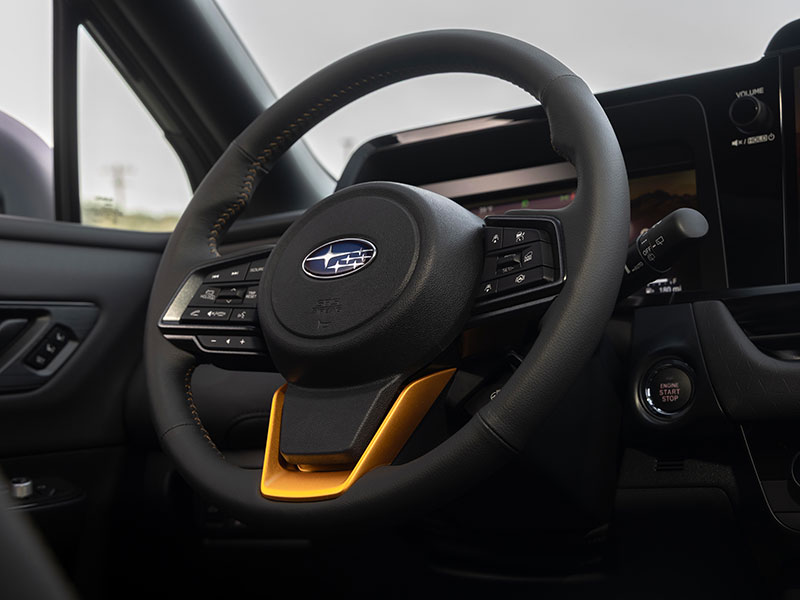
Subaru Outback Wilderness vs. 2027 Honda Passport TrailSport
The official Honda Passport TrailSport information gives the rival figures used here. A fair match keeps the body class, seat mission, and main use close. It also compares the same drive system when that choice changes fuel use or traction.
The Passport TrailSport uses a 280-horsepower V6, a 10-speed automatic, and Honda's torque-vectoring AWD. It is a wider and more upright SUV with a higher tow ceiling of up to 5,000 pounds when equipped. It also has 9.6 inches of clearance. That extra size brings room and strength, but it also takes more space in a garage or narrow trail lot. The Outback returns better fuel use.
Where the same-class choice becomes clear
These two models share a class and a mission, yet they fit different loads. The Passport makes sense for larger trailers, broad cargo, and buyers who want V6 response. The Outback fits drivers who want trail clearance without a tall, wide body. It can carry long gear on the roof and still feel like a car on daily roads. That balance is its best case.
- Choose Outback Wilderness for clearance, daily ease, and lower fuel use.
- Choose Passport TrailSport for a stronger tow ceiling and larger body.
- Measure the garage and the gear before judging size from photos.
- Match trailer weight and payload to the exact vehicle label.
What the comparison means near North Smithfield, Providence, and northern Rhode Island
Anchor Subaru currently lists new Outback models and promotes Wilderness inventory. Exact supply changes with incoming shipments. See the current Anchor Subaru inventory for local availability. A live page proves the model is part of the dealer's range, but a listed unit can sell before this article is read.
Make the last check simple. Write down your top three jobs. Count each seat you use. Measure the bags that ride with you. Add the miles in a normal week. Note each hill, dirt road, or snow day. Then look at both models again. One may fit the list with far less fuss.
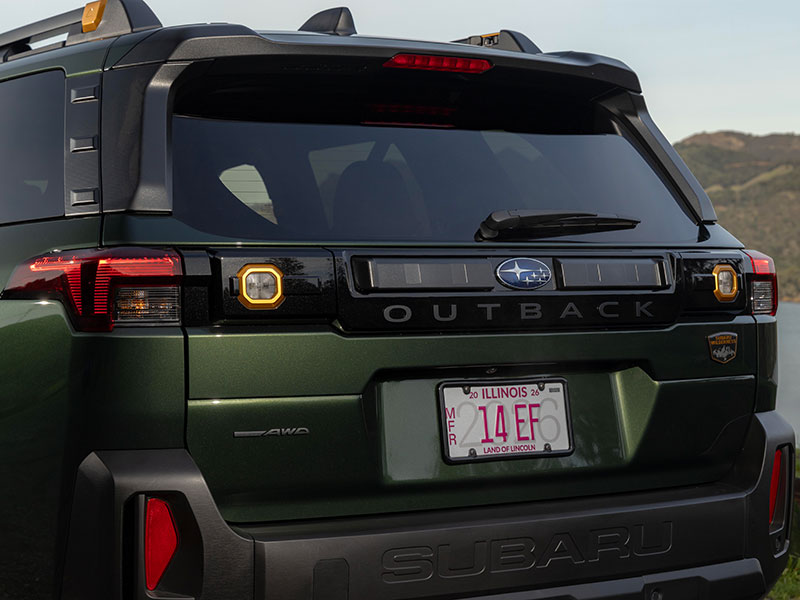
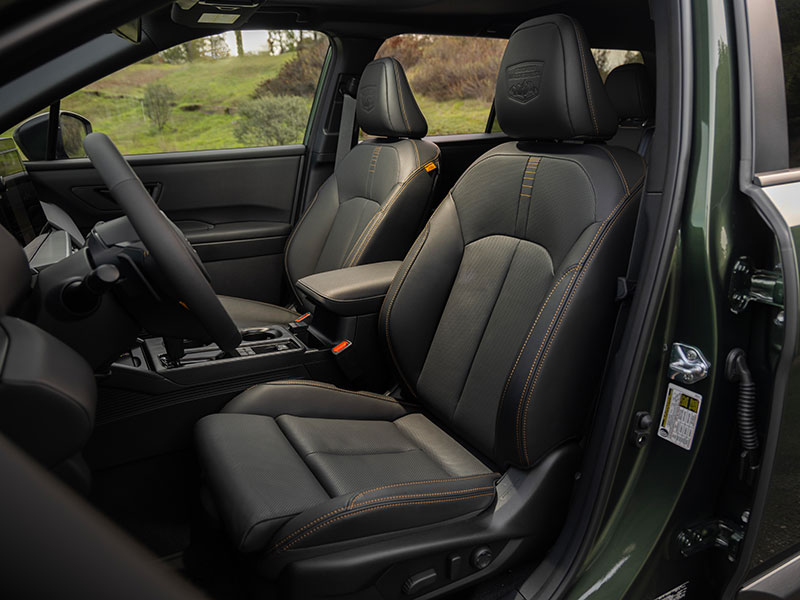
MPG can save cash each week. More space may keep gear off the roof. More ground room can help on snow or rocks. A high tow rate only helps if the load is a safe match. The same rule holds for speed. More power is fun, but it must serve a real need.
Next, compare like with like. Match AWD to AWD. Match the same seat count. Use a close trim price. Check tire size and key gear. Look at fuel, charge, and tire cost for a full year. A cheap trim may cost more to run. A high trim may add gear that you do not need.
Think of each road you use. Cold can cut EV range and tire grip. Heat adds air use. Hills show weak pull. Short trips make doors and clear views more key. Long trips make seats, range, and quick charge stops more key. One car can fit one week well and the next week less well.
The Honda's added size and tow strength suit buyers who needs more room. The best choice is the one that handles the most common work with the least cost and fuss. Use the numbers above to narrow the field, then check the exact trim, tire, seat layout, and equipment shown on the vehicle.